



Autism Playbook

Resources

Resources & techniques

Insights and techniques to support individuals with speech and language disorders, autism, and other developmental challenges in their journey of learning about life.

Participation in Life

The core philosophy — active participation in daily life as the foundation for learning and growth.

Patterned Activities

Activities spotlight a basic pattern through repetition so the child notices when an adult makes a change, grows competence, and becomes more resilient.

These activities spotlight a basic pattern through repetition. Due to the constancy of the pattern, when the adult makes a change, the child will be more likely to notice it. Given the immediate history of experiencing the pattern, the child will be more likely to be competent to repeat the interaction. This competence will allow the child to assume the responsibility for the regulation, if given enough time. Through the increased competency, the child will be motivated to continue within the interaction. As the child gains competence, the child becomes more resilient and more willing to accept challenges within other interactions.

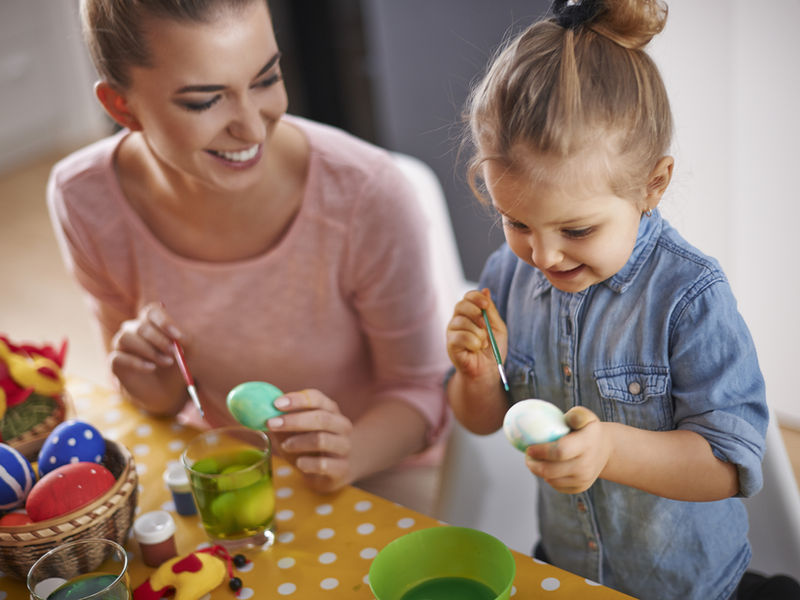
Attunement

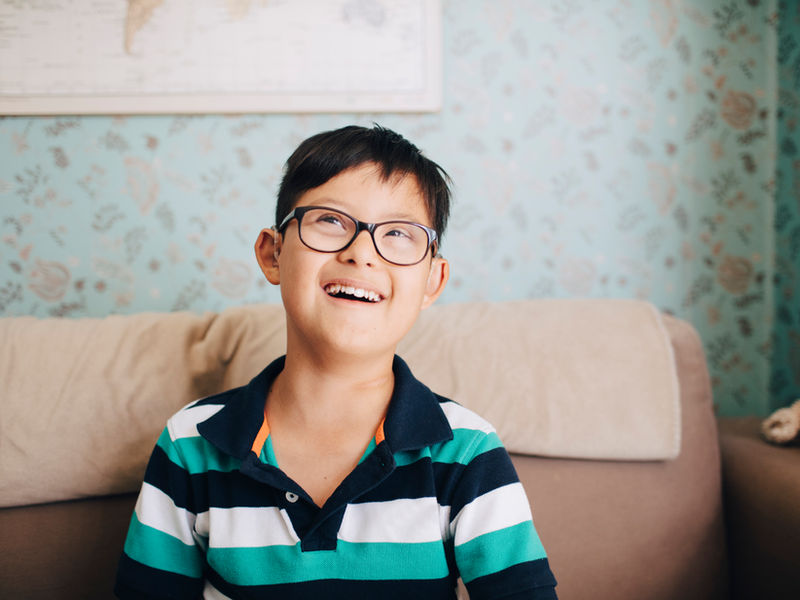
The ability to look to the face for information about emotional reactions — and to share facial expressions back.

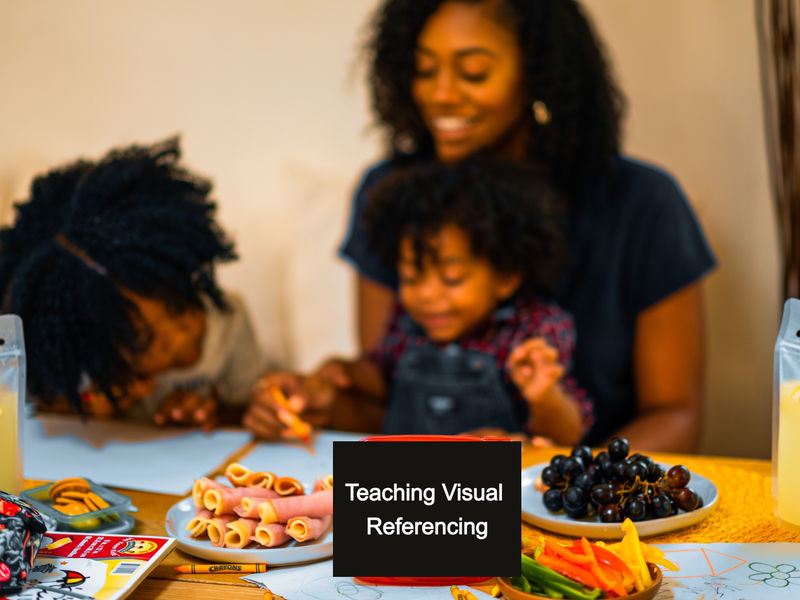
Visual Referencing

Using eye gaze to convey meaning — looking toward an item to indicate its location or selection.

Verbal Reasoning

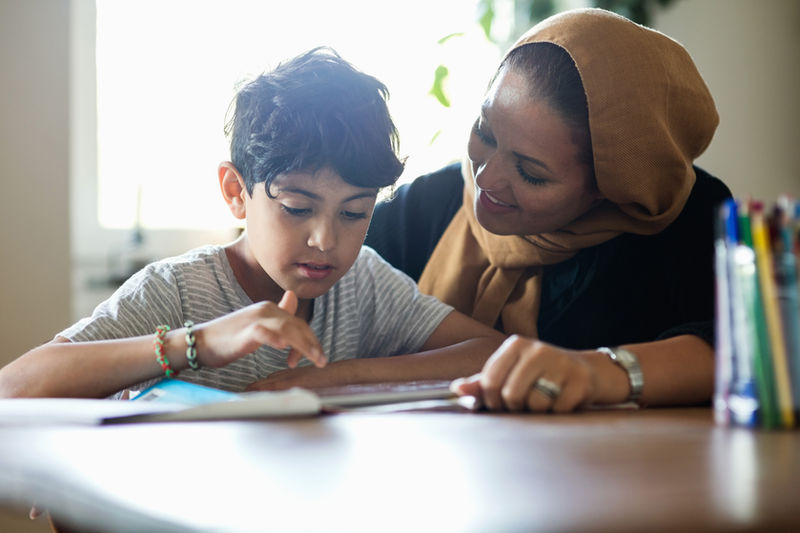
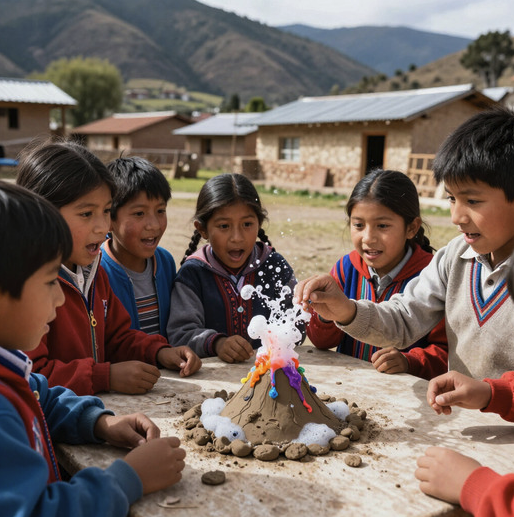
Developing verbal reasoning helps children use language to think critically and engage in meaningful discussion.

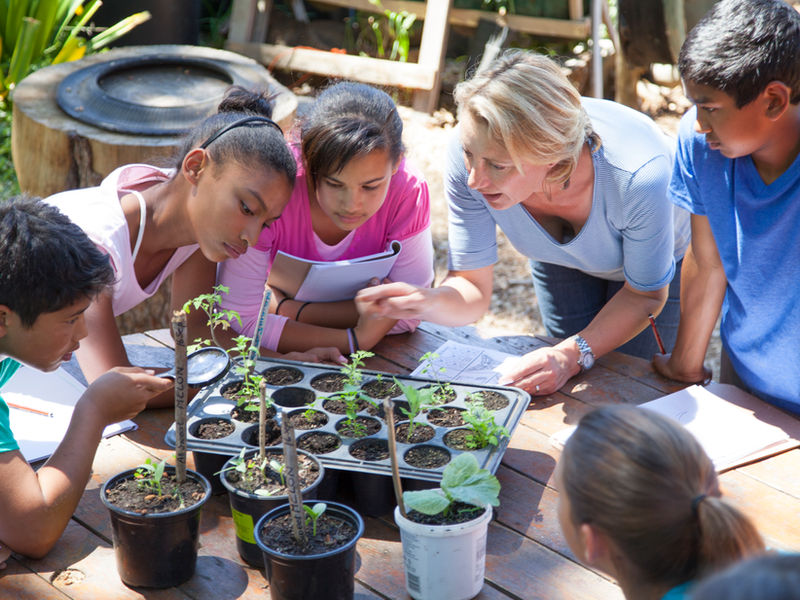
Social Cognition

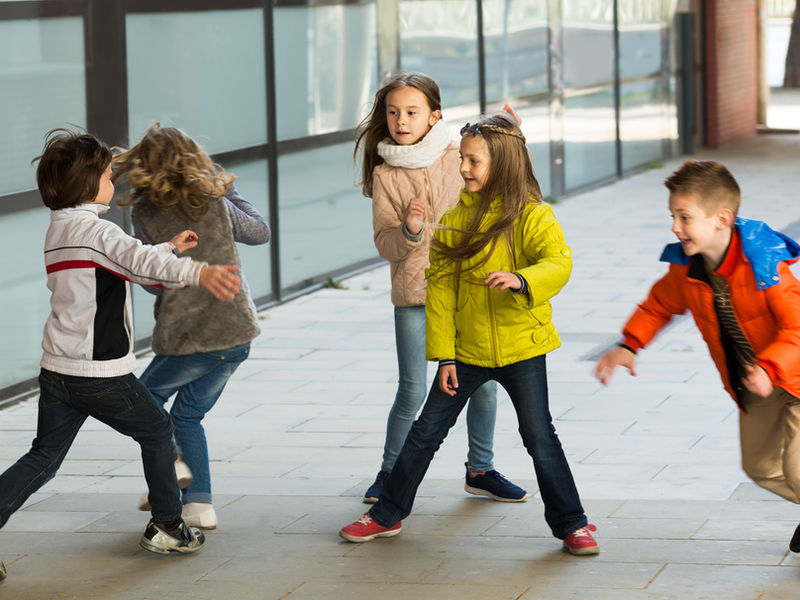
Understanding, interpreting, and responding appropriately to social cues, emotions, and interpersonal dynamics.

Declarative Language

Sharing experiences, feelings, and memories with another person — roughly 80% of ordinary conversation.

Declarative language is characterized by:

  • the formation of episodic memories
  • it reflects the ongoing interaction
  • it involves the sharing of emotional content
  • it can incorporate information provided within the interaction
  • it is the communication that is used in a dynamic system
  • while one individual does not control the other, there is control within the interaction
  • there can be self talk for the purposes of supporting self-regulation
  • the language is defined by the communicative intent and not syntactic rules or memorized scripts

It is used to convey a wide range of communicative functions — commenting, regulating, wondering, referencing, anticipating, predicting, inviting, celebrating, clarifying, repairing, explaining, reporting, encouraging, complimenting, sharing, narrating, planning, joking, rehearsing, co-creating, comparing, suggesting.

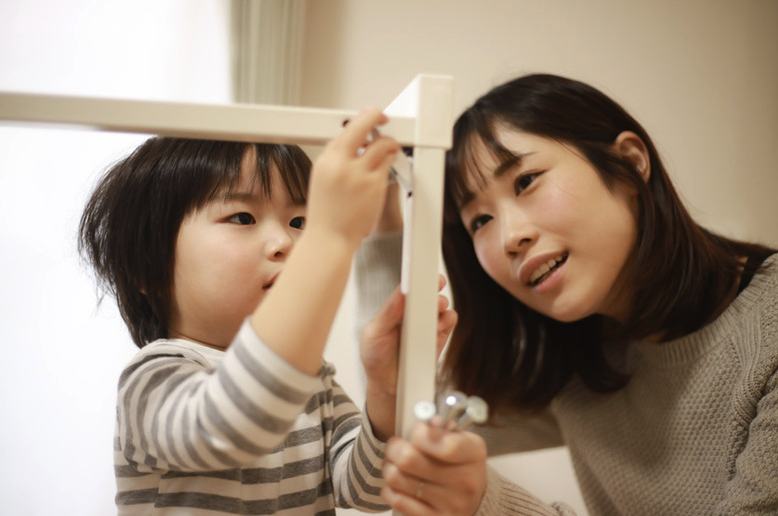
Coordination

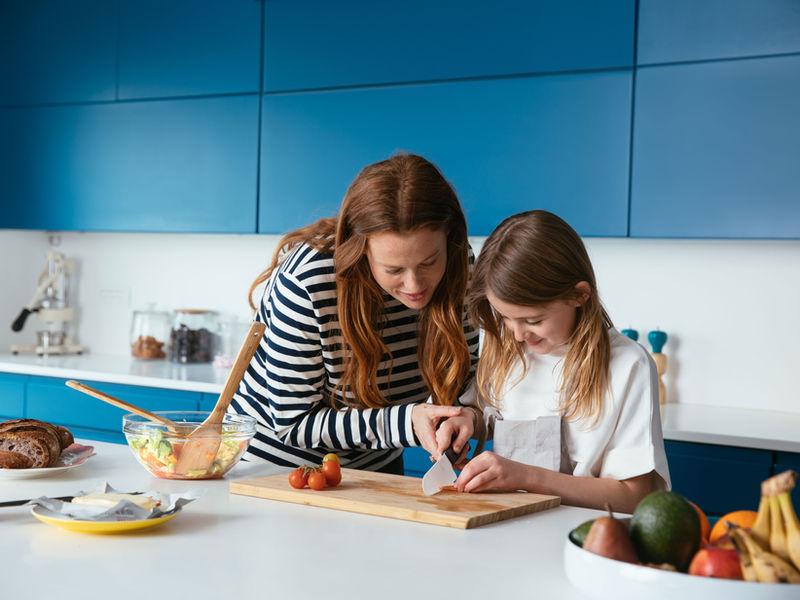
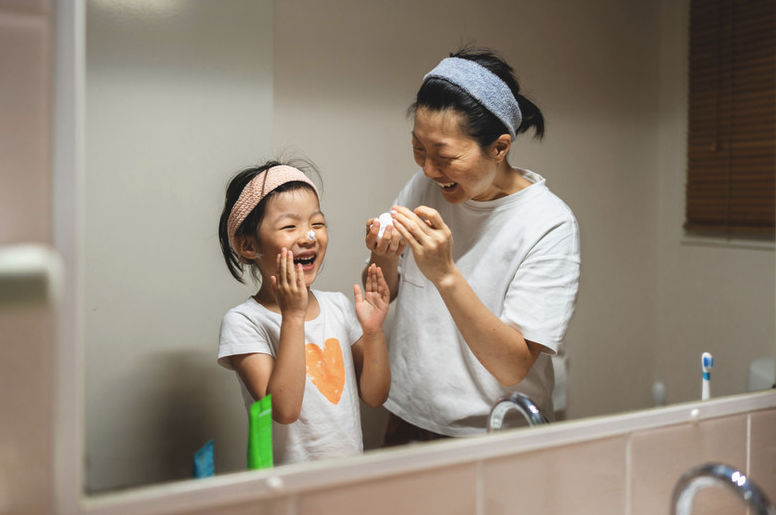
Two people working together on the same activity at the same time — carrying a box together or stirring a batter.

Language Skills

Techniques for teaching language, from one word on.

Stay connected

Get practical, evidence-based tips for supporting your child — delivered to your inbox.